


2026 年,穩定幣正從虛擬資產的交易工具,走向跨境支付、金融結算與數位金融基礎設施。根據 DefiLlama 統計,全球穩定幣市值已突破 3,000 億美元。穩定幣與既有金融體系的連結,也日益加深。
監管則是推動這波轉變的關鍵力量:美國已通過《天才法案》,《清晰法案》也正在推進;臺灣《虛擬資產服務法》於 2026 年 6 月 30 日三讀通過,為穩定幣產業發展奠定法源基礎;新加坡金融管理局(Monetary Authority of Singapore,MAS)也在 2026 年 9 月就《支付服務法》(Payment Services Act)修正草案公開徵詢意見,準備把穩定幣監管框架正式入法。穩定幣正逐步成為主流金融的一環。
看好穩定幣的發展與應用,也親身參與其中的 XREX 集團自 2023 年起,已連續四年在新加坡舉辦穩定幣高峰會 Stablecoin Summit。第四屆 Stablecoin Summit 2026 於 10 月 8 日在新加坡安達仕酒店(Andaz Singapore)舉行,邀集逾 30 位國際講者、超過 600 位嘉賓,涵蓋穩定幣發行商、銀行、支付服務商、資產管理業者及監理機關代表,聚焦穩定幣邁向金融基礎設施的下一階段。
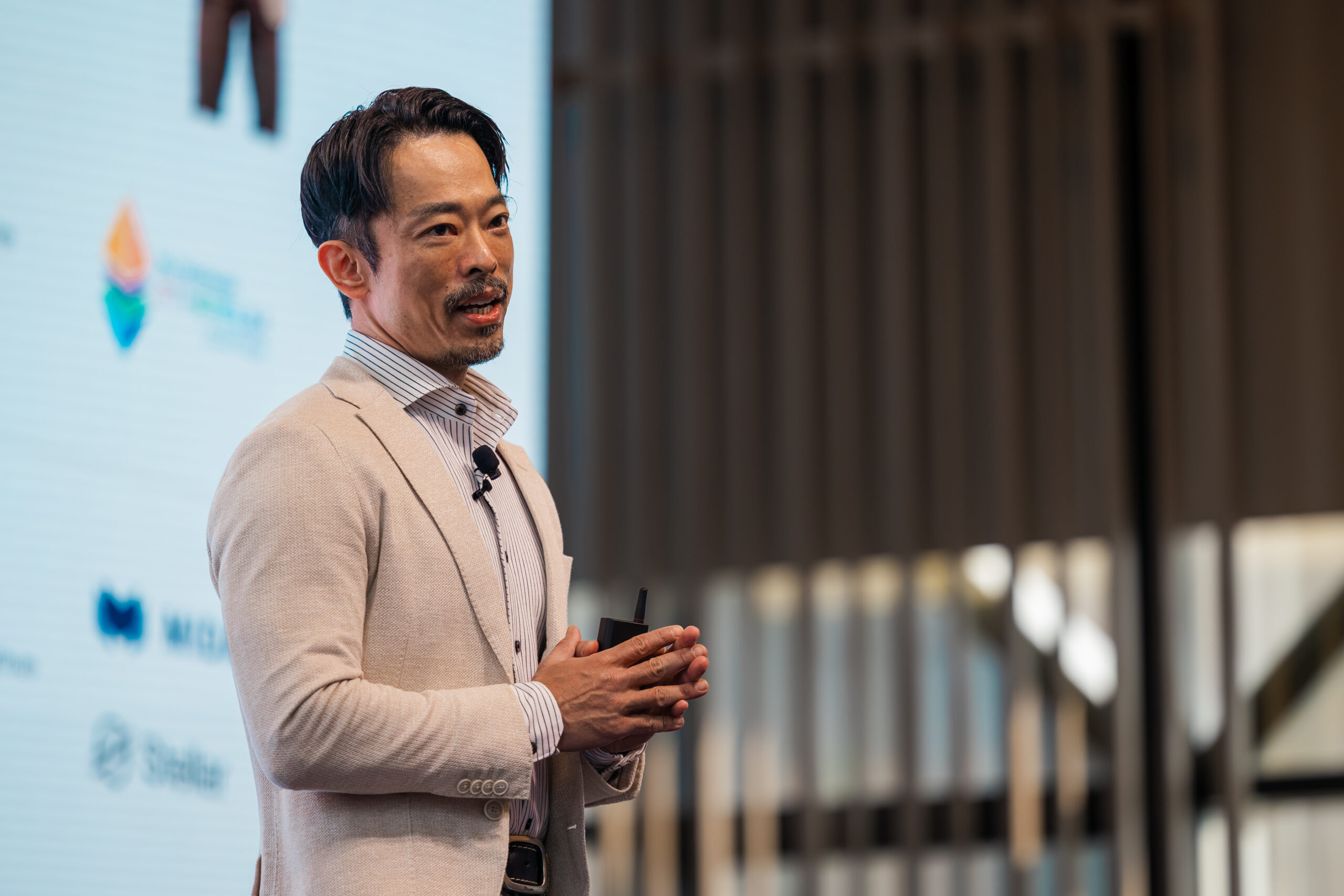
XREX 共同創辦人暨集團執行長黃耀文 Wayne 在 Stablecoin Summit 2026 的開場演說中,以「穩定幣走向大規模應用:接下來的挑戰」(Stablecoin Mass Adoption: The Hard Work Ahead)為題,延續去年演講主題「穩定幣做為一種數位不記名貨幣」(Stablecoins as Digital Bearer Money)的觀點。
他從穩定幣出金時遇到的摩擦、「價值移轉」與「支付」的差別談起,並以教育和 AI 醫療為例,說明新技術為何必須整合進既有體系,最後談到加速區塊鏈與傳統金融整合的兩大關鍵:新的穩定幣監管框架,以及 AI 代理式(agentic)營運效率。
以下是 Wayne 在 Stablecoin Summit 2026 演講的中英文逐字稿。

好,這是今天的第一場演講。再次謝謝大家,這麼早就來到現場。我們就延續去年的話題。去年在這場峰會上,我們談了什麼?
All right, first talk. Thanks again for having me, for coming in so early in the morning. All right, let’s go where we left off last year. What was our talk last year at the summit?
去年,我們探討了穩定幣(stablecoin)創新的核心。我們問:當初穩定幣問世時,核心的創新究竟是什麼?當時我們提出的問題是:如果不用封閉式帳本(closed-loop ledger)把貨幣數位化,會怎麼樣?如果我們試著把紙鈔數位化呢?紙鈔是不記名工具(bearer instrument),使用時無需任何許可(permissionless),可以裝在袋子裡,也可以直接拿在手上。
Last year, we looked into the core of stablecoin innovation. And we said, when we invented stablecoins, what was the core innovation? At that time, we asked the question: what if we didn’t digitize money using closed-loop ledgers? What if we tried to digitize paper bills? Paper bills are bearer instruments. They’re permissionless. You can hold them using a bag, using your hands.
使用紙鈔不需要任何人的許可,也不需要銀行帳戶。因此,紙鈔賦予人們高度的金融主權(financial sovereignty)。那麼,如果我們試著把紙鈔數位化呢?當時我們問:要把紙鈔數位化、在網路上鑄造數位鈔票,最適合的技術是什麼?答案當然是區塊鏈。所以,去年我們確立了一個論點:穩定幣,就是在去中心化帳本(decentralized ledger)上鑄造的數位化紙鈔。
You don’t need anybody’s permission. You don’t need a bank account. So, paper bills offer great financial sovereignty. So, what if we try to digitize paper bills? And at the time, we asked, well, what’s the best technology to do that, to digitize and mint digital bills online? Of course, it’s the blockchain. So, last year we established that stablecoins are digitized paper bills minted on decentralized ledgers.
那麼,從穩定幣出金(off-ramp)換回法幣時,會發生什麼事?這就像我們提著好幾袋現金走進銀行,想把這一大筆現金存進去。所以,當去中心化帳本上的數位美元,試圖進入現有的金融體系時,會發生什麼事?換句話說,當開放式系統(open loop)上的資金,試圖進入封閉式系統(closed loop)時,無可避免會出現摩擦與瓶頸。
So, what happens when we off-ramp from stablecoins to fiat? It’s very much like us taking lots of bags of cash, walking into the bank, and trying to deposit that bunch of cash at the bank. So, when digitized dollars on decentralized ledgers try to enter the existing financial system, what would happen? Or when money on open loops tries to enter closed-loop systems, there are unavoidable friction and choke points.
在本國貨幣疲弱、美元短缺的國家,開放式網路上的穩定幣快速成長。如同我們先前所說,穩定幣就像數位化的紙鈔:不需要完成認識你的客戶(Know Your Customer,KYC)程序,也不需要開立帳戶。穩定幣快速普及,證明了無需許可的使用方式,能加速推動普惠金融(financial inclusion)。
Stablecoins on open networks grew rapidly in countries with weak currencies and US dollar shortage issues. They’re similar to digital paper cash, as we established. There’s no KYC, no account issuance needed. So, the rapid adoption proved that permissionless access accelerates financial inclusion.
如今的挑戰在於,當這類貨幣試圖進入既有的支付體系時,由於這些體系皆是封閉式系統,摩擦非常大。為什麼?摩擦看似都來自合規要求,但現有的支付系統要處理的不只是合規。支付涉及的,遠遠不只是價值移轉。在 Web3 世界,我們以前會說:這有什麼難的?你有一個 Web3 錢包,我也有一個 Web3 錢包,我把穩定幣轉給你,就付完款了,就這麼簡單。不,那只是價值移轉,不是支付。
The challenge today is when this type of money tries to enter the established payment system, which are closed loops, and there is just high friction. Why? The friction is all because of compliance. Well, the existing payment systems aren’t just about compliance. Hey, payment involves a lot more than simply moving value. In Web3, we said, well, what’s the big deal? You have a Web3 wallet. I have a Web3 wallet. I sent my stablecoins to you. It’s paid. It’s done. It’s so simple and easy. No, that’s moving value, that’s not payment.
我們來看看,在消費者對商家的支付中,法幣支付有哪些重要功能。對消費者來說,有爭議處理機制,像是退款、退單(chargeback)與交易撤銷;有詐騙防護與資安保護;還有信用付款與分期付款。對商家來說,則有收單(acceptance)與詐騙防護、違約處理與催收、對帳、會計及報稅。最後,還有商家融資。
Let’s look at important fiat payment features in consumer-to-business payments. For consumers, we have dispute management, right? Your refunds, chargebacks, and reversals. We’ve got fraud and cybersecurity protection. We’ve got credits and installments. And for merchants, we have acceptance and fraud protection, default handling and collection, reconciliation, accounting, and tax filings. And finally, merchant financing.
在企業對企業(B2B)支付方面,則有附條件支付與商業履約保障,例如:第三方託管(escrow)、信用狀(letter of credit)、現金擔保、例外處理、退匯、撤回付款、爭議解決及退稅。還有申報,這非常重要。每個國家都有補貼機制,對吧?所以,假設我是進口商、製造商或品牌商,用穩定幣做出口生意,卻拿不到退稅,問題就大了。
In B2B payments, we’ve got conditional payment and commercial assurance. Think about escrows, letters of credit, cash guarantees, exceptions, returns, recalls, and dispute remediation, tax refund. And reporting, very important. Every country subsidizes, right? So, as an importer, manufacturer, brand, if I’m using stablecoins and I’m exporting and I can’t get refunds, it’s a big problem.
還有供應鏈融資。全球經濟仰賴融資與信用運轉。穩定幣若獨立存在、沒有接入這套體系,作用就會大打折扣。這些功能,目前的穩定幣支付大多還不具備。所以,推動普惠金融的任務,也就是我們的任務,還沒有完成。
Supply chain financing. The world economy runs on finance and credit. And stablecoins as standalone without tapping into this system is minimized. Stablecoin payments incorporate very little of these features today. So, the financial inclusion job, our job, is not yet done.
任務還沒完成。那麼,任務是什麼?我們的任務是什麼?第一,保留穩定幣無需許可、普惠包容的特性。第二,把穩定幣支付整合進現有的支付系統。第三,認清一件事:合規的支付系統,不一定是完全封閉式的。那麼,為什麼要把穩定幣整合進現有體系?為什麼這件事這麼重要?我們從歷史來看。
Job’s not done. So, what’s the job? What’s our job? One, retain the permissionless and inclusivity of stablecoins. Two, integrate stablecoin payments into the existing payment systems. Three, recognize that a compliant payment system needn’t to be completely closed loop. So, why is it important to integrate stablecoins into existing systems? Why is it so important? Well, let’s look at history.
我成長的年代沒有網路,所以我所學的一切,都來自傳統教育體系。網路問世、開始普及時,我已經在念大學了。但如今,我大部分的知識都來自網路。那麼,孩子們還有必要待在傳統教育體系裡嗎?他們能在傳統教育體系之外長大嗎?比方說,讓孩子在家自學,這樣可行嗎?
I grew up in a time without the internet, so I learned everything from the traditional education system. The internet came about, was introduced when I was already in university. But today, I get most of my knowledge from the internet, right? So, is it important that our children still stick to the traditional education system? Can our children grow up outside of the traditional education system? Let’s say we homeschool them, right? Can we do that?
網路上的知識,並非全都已經整合進現有的體系。如果我們學習的內容大多來自網路,還需要現有的教育體系嗎?以我的親身經驗來說,身為臺灣人,如果我想來新加坡工作,或去美國、日本等其他地方工作,就需要申請工作簽證。各位知道申請工作簽證時,什麼最重要嗎?是我的大學學位。
Not all internet knowledge has been integrated into the existing system. And if our learning is predominantly from knowledge from the internet, do we still need the existing education system? Well, from personal experience, I, as a Taiwanese, if I want to come here to work in Singapore or work elsewhere, or work in the US or Japan, I need a work visa. And you know what’s very important when I try to apply for that work visa? It’s my college degree, or university degree, right?
又或者,對找第一份工作的人來說,無論懂得多少、學了多少,學位依然很重要,學歷依然很關鍵。所以,如今的孩子很難真正脫離現有的教育體系成長。也因此,以新加坡為例,這裡投入了許多努力,把網路知識納入現有的教育體系,因為我們的孩子至今仍需要這套體系。
Or for people getting their first job, it doesn’t matter how much you know, how much you’ve learned. Really, your degree is still gonna matter. Your education is gonna matter. So it’s really hard for our children today to really grow up outside of the existing [education] system. So there’s been a lot of work here in Singapore, for example, to incorporate internet knowledge into the existing [education] system because our children today still need that system.
再來看 AI。過去兩年,我個人從 AI 提供的醫療健康知識中獲益良多。我透過 AI 發現自己有好幾項基因上的弱點,並及早用藥,以追求長壽。但這個過程對我來說非常困難,因為這類 AI 知識尚未整合進現行的醫療體系,所以我的醫師無法根據 AI 產生的知識幫我開藥。
AI. Past two years, I have personally benefited tremendously from AI’s healthcare knowledge. I was able to use AI and discover quite a few of my personal genetic vulnerabilities and apply early medication for longevity. But it was very difficult for me because such AI knowledge has not been integrated into the current medical system. So, my doctors were not able to use the knowledge generated by AI to prescribe medication to me.
我現在的做法是:在臺灣,即使能拿到處方,保險也不給付,只能自費。很多時候,我在臺灣拿不到處方,只好來新加坡取得處方,同樣自費。我也告訴了我弟弟,因為他有同樣的基因缺陷。而他在美國使用同樣的藥物,就能獲得全額保險給付,因為美國的體系更快整合了 AI。
What I have to do today is one, in Taiwan, if I can get a prescription, I’m still not covered by insurance, so I pay for myself. A lot of times, I cannot get that prescription in Taiwan, so I come to Singapore, I get a prescription, and I pay for myself. I told my brother because he has the same genetic defects, and he is able to get himself fully insured with the same medication in the US because the US system has integrated AI faster, right?
所以道理是一樣的。沒錯,AI 如今在醫療領域帶來很大的幫助,但我們無法脫離現有的醫療體系運作。因此,各方投入了許多努力,試圖把 AI 的能力整合進現行的醫療體系,因為就現階段而言,我們無法在既有體系之外生活。
And so, same thing today, yes, AI is generating a lot of help in healthcare, but we cannot operate outside of the existing medical system, and therefore, there’s been a lot of effort to try to integrate AI capabilities into the current medical system. Because we cannot live right now outside of that existing system.
同樣地,做為數位現金的穩定幣,也無法脫離現有的金融體系獨立存在。為什麼?我們剛才已經談過了。現有的金融體系,例如現有的支付系統,提供爭議處理、報稅與退稅,以及稽核等功能,這些皆是穩定幣交易本身不具備的。
Similarly, stablecoins as digital cash cannot stand alone outside of the existing financial system. Why? We just covered it. The existing financial system, for example, the existing payment systems provide dispute management, tax filing and returns, and audits that’s unavailable, that’s not inherently built into stablecoin transactions.
此外,如同我們剛才談到的,現行金融體系也提供消費信貸、商家融資及供應鏈融資。全球經濟仰賴融資與信用運轉。所以,我們必須把穩定幣交易整合進現有的金融體系。這項工作很艱難,但我們得去做。那麼,該如何完成這項任務?在推動的過程中,我們思考:要讓穩定幣支付接軌現有體系,什麼會是關鍵的改變因素(game changer)?其中一項關鍵改變因素,就是新的穩定幣監管框架。
And the current finance system provides, as we talked about, consumer credit, merchant financing, and supply chain finance. The world economy runs on finance and credit. So, we need to integrate stablecoin transactions into the existing financial systems. And we need to do that hard work. So, how to get the job done? In doing the job, we asked what could be game changers in bridging stablecoin payments into existing systems. There’s one game changer, and that’s new stablecoin regulatory frameworks.
XREX 集團在新加坡以大型支付機構(Major Payment Institution,MPI)執照營運。新加坡國會於 2020 年通過《支付服務法》(Payment Services Act,PSA),並於 2021 年修法擴大數位支付代幣(Digital Payment Token,DPT)服務的適用範圍,讓我們能以法幣及穩定幣,提供跨境企業對企業支付服務。美國《天才法案》(GENIUS Act)也是性質非常相似的加速器。(編按:新加坡國會於 2019 年 1 月通過《支付服務法》,2020 年 1 月正式施行。)
XREX has been operating here in Singapore under the Major Payment Institution license. The Payment Services Act passed Singapore’s parliament in 2020, and in 2021 it was amended with the digital payment token coverage, which allows us to facilitate cross-border B2B payments both in fiat currency and also in stablecoins. The GENIUS Act is another very similar accelerator.(Singapore’s Parliament passed the Payment Services Act in January 2019, and the Act took effect in January 2020.)
除了這些新的監管框架,還有另一項關鍵。仔細檢視這些摩擦會發現,從開放式系統接軌封閉式系統的挑戰,很大一部分牽涉到營運,也就是我們所說的「營運支出(operating expenses,OPEX)擴張夢魘」。
Other than these new regulatory frameworks, there’s another game changer. If we look closely at the friction, the open-to-closed-loop bridging challenge heavily involves operations, what we call the OPEX scaling nightmare.
意思是,任何支付或金融服務的使用量增加時,營運的複雜度與人力需求也會隨之增加,包括合規分析師、第一線與第二線(L1、L2)調查人員、風險控管人員及對帳會計。這也是傳統金融(traditional finance,TradFi)體系成本高、速度慢,而且往往無法 24 小時全天候運作的原因。
And that is, as any payment or finance service usage grows, so does operational complexity and headcount. And we’re talking about compliance analysts, L1, L2 investigators, risk controllers, reconciliation accountants. And this is why TradFi systems are costly, slow, and often not 24/7.
那麼,真正帶來關鍵改變的因素、真正的加速器是什麼?是 AI 代理式(agentic)營運效率。我們認為,營運的核心架構需要從以人為中心的工作流程,轉向代理式營運模式。具備特定領域知識的 AI 代理(AI agent),應在人員監督下執行核心工作流程,遇到需要升級處理的案件,再交由人員判斷與核准。
So, what’s the game changer, the accelerator? It’s agentic operational efficiency. We feel that the operational backbone needs to shift from human-centric workflows to agentic operational models. Equipped with domain-specific knowledge, AI agents should execute core workflows with human supervision and escalations and approvals.
這需要一套 AI 原生的金融服務作業系統,我們稱之為 FSOS(Financial Service Operating System),把 AI 代理式效率融入營運模式。它支援具備治理機制的人機協作(human-in-the-loop)架構與模型風險治理(model risk governance),能以 AI 輔助執行 KYC、客戶盡職調查(Customer Due Diligence,CDD)與防制洗錢(Anti-Money Laundering,AML)調查、產出可疑交易報告,以及處理例外事件。在這套系統中,每一項由 AI 輔助產生的建議與行動,皆可追溯到佐證資料與核准紀錄。
This requires an AI-native financial service operating system, what we call FSOS, that builds agentic efficiency into the operation model. Supports governed human-in-the-loop architecture and model risk governance, enables AI-assisted KYC and CDD AML investigations, suspicious transaction report generation, and exception management. And where every AI-assisted recommendation and action is traceable to supporting evidence and approval history.
好,善用這些新的監管框架,再加上 AI 代理式營運效率,我們就能加速區塊鏈與傳統金融的整合。這是非常艱難的工作,但非做不可。說到艱難的工作,我想跟大家分享兩句話。創投公司 Andreessen Horowitz(a16z)共同創辦人班·霍洛維茲(Ben Horowitz)說:「困難的事之所以困難,是因為沒有簡單的答案,也沒有現成的方法。」亞馬遜(Amazon)創辦人傑夫·貝佐斯(Jeff Bezos)則說:「信任,要靠長時間把困難的事做好,才能一點一滴贏得。」
All right, so by leveraging these new regulatory frameworks and agentic operational efficiency, we can accelerate the integration of blockchain and traditional finance. It’s very hard work, but it needs to be done. And in talking about hard work, I share with you two quotes. Ben Horowitz of a16z: “Hard things are hard because there are no easy answers or recipes.” And by Jeff Bezos: “You earn trust slowly over time by doing hard things well.”
無需許可且可程式化的貨幣、原子結算(atomic settlement)、AI 代理式商務(agentic commerce),以及大規模普及應用。讓我們一起完成這些任務。謝謝大家。
Permissionless and programmable money, atomic settlement, agentic commerce, mass adoption at scale. Let’s get the job done. Thank you.
關於 XREX 集團
創立於 2018 年,XREX 集團是一家擁有區塊鏈技術的國際金融機構,與銀行、政府及用戶密切合作,共同改寫金融定義。
XREX 集團臺灣子公司鏈科股份有限公司營運 XREX 交易所,於 2022 年 3 月,完成與臺灣金融監督管理委員會 (金管會) 的洗錢防制法令遵循聲明,並於 2025 年 9 月 22 日完成金管會的洗錢防制登記,為完成的 11 家合規虛擬資產服務商之一;新加坡子公司於 2024 年 5 月取得新加坡金融管理局 (MAS) 大型支付機構 (MPI) 執照。
XREX 集團將普惠金融視為社會責任,持續運用區塊鏈技術推進金融參與權、金融使用權與金融教育權,並推出 XREX Academy 區塊鏈與虛擬資產系統化教育課程。